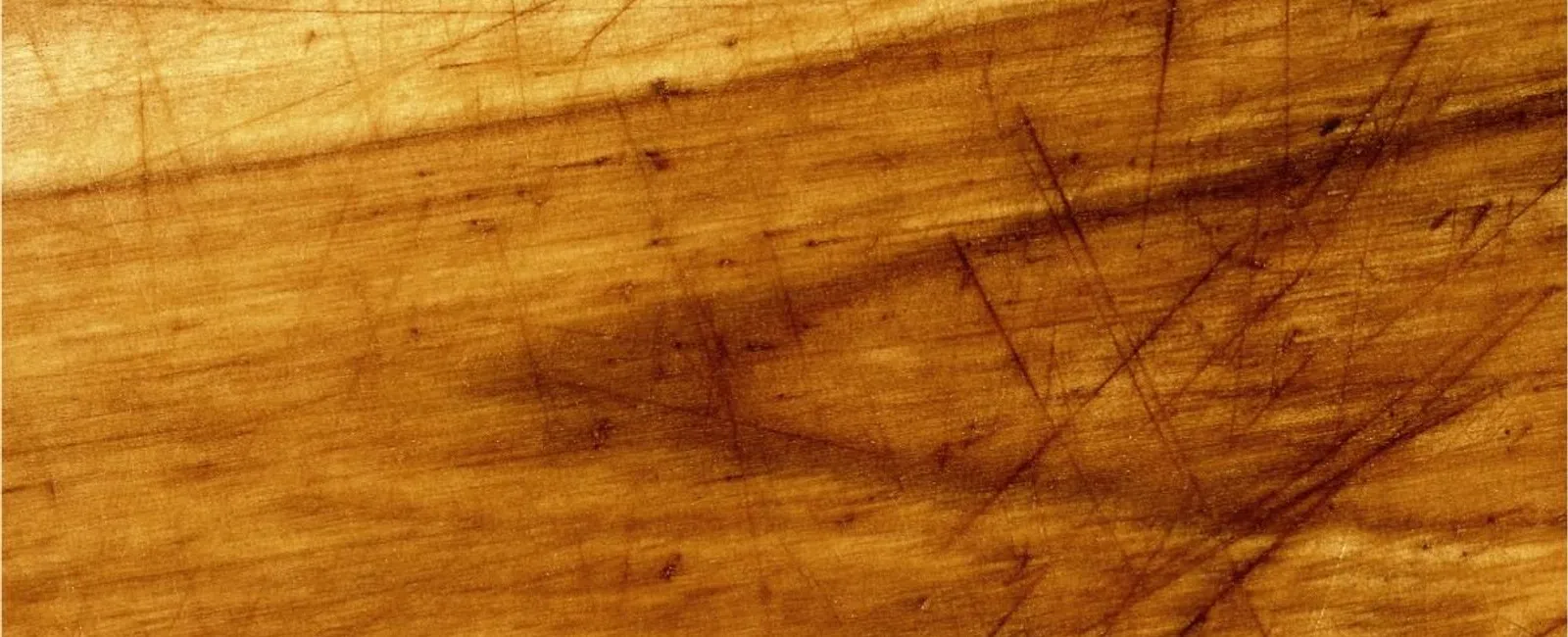
A scratched floor can happen in a second. A chair slides back
from the table, the dog takes a corner too fast, or a piece of grit gets
dragged across the hallway under a shoe. Then every time the light hits that
spot, the scratch is all you can see.
The good news is that most scratches on hardwood floors
are fixable, and many are easier to fix than they look. The key is figuring out
how deep the scratch goes before you reach for a product. The right fix for a
light scuff can make a deep scratch look worse, and the wrong product can make
a future refinish harder.
First, check whether the scratch
is only in the finish or has reached the wood. Light scratches in the finish
can be hidden with a hardwood floor cleaner and polish or a light buff and
touch-up of finish. Scratches that reach the wood can be colored with a stain
marker or wax filler stick, and deep scratches or gouges can be filled with
color-matched wood filler. When scratches cover a whole room, a professional
screen and recoat or a full sand and refinish gives a better, longer-lasting result
than spot repairs.
Start by Finding Out How
Deep the Scratch Goes
This
is the step most people skip, but it is crucial. A hardwood floor
has a clear protective finish on top of the wood. Most scratches only cut into
that finish. Fewer go through it into the wood itself.
Two
quick checks will tell you which you have:
- Look at the color. A scratch that looks white, gray, or cloudy is usually only in the finish. The light is reflecting off the scuffed coating. A scratch that shows a lighter or darker wood color, or raw wood, has gone through the finish.
- Run a fingernail across it. If your nail glides over it or barely catches, it is a surface scratch. If your nail drops into a groove, it is a deeper scratch or a gouge.
Hardwood Floor Scratch
Repair by Severity
|
Type
of Damage |
What
It Looks Like |
Best
Fix |
|
Light
scuffs in the finish |
White
or cloudy marks, nail does not catch |
Clean,
then use a hardwood floor polish or refresher made for your finish |
|
Scratches
through the finish |
Wood
color shows, nail catches slightly |
Stain
marker or wax filler stick, then a small amount of matching finish |
|
Deep
scratches and gouges |
Visible
groove, nail drops in |
Color-matched wood filler, sanded flush and sealed |
|
Widespread
scratches across a room |
Dull
traffic paths, many scratches |
Professional
screen and recoat |
|
Deep,
widespread damage |
Gray
wood, many gouges, worn through finish |
Full
sand and refinish, or board replacement |
How to Fix Light Scratches
in the Finish
Light
scuffs are the most common type of floor scratch, and the easiest to make
disappear.
- Clean the area. Use a cleaner made for hardwood floors and a microfiber cloth. Dirt and grit in the scratch make it look worse and can scratch the floor further when you work on it.
- Let it dry completely.
- Apply a hardwood floor polish or refresher. These products add a thin layer that fills micro-scratches and evens out the sheen. Make sure the product is made for polyurethane-finished floors if your floors are finished with poly, which most modern floors are.
- Buff lightly with a clean, dry microfiber pad following the direction of the grain.
This
is the safest way to buff out scratches on a wood floor yourself. Avoid
aggressive buffing machines or sandpaper on light scratches. They can cut
through the finish and create a much bigger problem than the one you started
with.
How to Fix Scratches That
Reach the Wood
When
a scratch has gone through the finish, the exposed wood often looks lighter
than the surrounding floor. The goal is to restore the color and then protect
the area.
- Clean the scratch and let it dry.
- Match the color. Use a wood stain marker or touch-up pen close to your floor color. Test on an inconspicuous spot first, like inside a closet. It is better to go slightly lighter and build up than to go too dark.
- Apply along the scratch only, then wipe away any excess on the surrounding finish right away.
- Use a wax filler stick if the scratch has a slight groove. Rub it into the scratch, then buff away the excess with a soft cloth.
- Seal it. A small amount of finish applied with a fine artist brush protects the repair. Match the sheen of your floor as closely as possible.
How to Fix Deep Scratches and
Gouges
Deep
scratches from furniture, dropped tools, or pet claws need to be filled.
- Clean out the scratch and remove any splinters.
- Choose a color-matched wood filler made for floors. Stainable fillers work if you plan to stain over them.
- Press the filler into the gouge with a plastic putty knife, slightly overfilling it.
- Let it dry fully, following the product directions.
- Sand it flush with fine-grit sandpaper, staying within the repair area.
- Touch up color with a stain marker if needed, then seal with finish.
If
a board is cracked, splintered, or gouged too deeply to fill well, replacing
that board is usually the better repair. That is a job best handled by a
professional, since the new board has to be woven in, sanded, and finished to
blend with the rest of the floor. Our hardwood floor repair team does this
regularly.
Why Spot Repairs Do Not
Always Blend In
This
is the part most DIY guides leave out. Even a well-done scratch repair can
stand out if the sheen does not match. A satin floor with a small glossy patch
catches the light differently, and that patch can end up more noticeable than
the original scratch.
A
few things make matching harder:
- Prefinished floors. Many prefinished floors have a factory finish that is very hard and abrasion resistant. That is great for durability, but it can make touch-ups harder to blend because new finish does not always bond or match the same way. Some manufacturers sell their own touch-up kits for this reason.
- Older finishes. Finishes change color as they age. Oil-based finishes amber over time, so a fresh touch-up can look lighter than the floor around it.
- Unknown finish type. If you do not know what finish is on the floor, test any product in a hidden spot first.
Home Remedies That Do Not
Fix Scratches
Search
for scratch fixes and you will find a long list of kitchen remedies. Here is
the honest take on the most common ones.
Vinegar and Olive Oil
A vinegar and olive oil mix can make
light scratches less visible for a short time by darkening and adding sheen to
the area. It does not repair anything, and the oil can leave a residue that
attracts dirt and makes floors slippery. Oil residue can also interfere with a
professional recoat later because new finish may not bond well over it. Read
more about using vinegar on hardwood floors.
Walnuts
Rubbing a walnut over a scratch releases natural
oils that can darken a very light scratch in exposed wood. It can help a tiny
mark on a medium or dark floor, but it adds no protection and will not work on
deeper scratches or white finish scratches.
Mayonnaise
Mayonnaise is an old trick for water rings on
furniture, not for scratches. It will not fill or color a scratch, and it
leaves an oily film on the floor.
WD-40
WD-40 can make a scratch look less obvious for a
moment by adding sheen, but it leaves a slippery residue that is unsafe
underfoot and can cause problems with future finishing. If your floors already
feel slick, see why hardwood floors get slippery.
When Scratches Cover the Whole
Floor
Spot
repairs are great for a few scratches. They are not the right answer for a
living room full of dog scratches or a hallway with a dull traffic path. At
that point, a room-wide treatment gives a far better result.
Screen and Recoat
If the scratches are mostly in the
finish, a screen and recoat lightly abrades the existing finish and applies a
fresh top coat across the entire floor. It removes the look of surface
scratches, restores an even sheen, and adds a new protective layer. It usually
takes about a day and does not involve sanding down to bare wood.
Full Sand and Refinish
If scratches have reached the wood across large areas, or the floor has turned gray in traffic paths, a full sand and refinish removes the old finish and the top layer of damaged wood, then applies new stain and finish. This is also the time to change your floor color if you want a new look. See how long it takes to refinish hardwood floors to plan around the project.
How to Prevent Scratches
on Hardwood Floors
- Put felt pads on chair, table, and furniture legs, and replace them when they wear down or collect grit
- Place mats inside and outside exterior doors to catch grit
- Sweep or dust mop often, since tracked in sand acts like sandpaper
- Keep pet nails trimmed
- Lift furniture instead of dragging it
- Use a chair mat under rolling office chairs
- Choose a matte or satin finish, which hides scratches better than gloss
Get Help with Scratched
Hardwood Floors
A
few scratches are a weekend DIY project. A floor full of them is usually a
better job for a professional who can make the whole room look even again.
TriArt Hardwoods has repaired and refinished hardwood floors across metro
Atlanta since 2009, with the same crew handling every job from start to finish.
We can look at your floors, tell you whether a repair, recoat, or refinish
makes the most sense, and get your floors looking right again. Contact
us to schedule a consultation.
Frequently Asked Questions
How do you get scratches
out of hardwood floors without sanding?
Light scratches in the finish can be hidden with a hardwood floor polish or refresher. Scratches that reach the wood can be colored with a stain marker or filled with a wax filler stick. For a whole room, a professional screen and recoat restores the finish without sanding to bare wood.
How do you fix deep
scratches in a wood floor?
Clean
the scratch, press in a color-matched wood filler, let it dry, sand it flush
with fine sandpaper, touch up the color, and seal it with finish. Boards with
very deep gouges or cracks are often better replaced by a professional.
How do you fix dog scratches on hardwood floors?
Most dog scratches are in the finish and can be improved with a hardwood floor polish or refresher. Scratches that reach the wood can be colored with a stain marker. If dog scratches cover an entire room, a screen and recoat is usually the most effective fix.